October 14, 2026
The quest to transform ordinary yards into extraordinary outdoor sanctuaries has elevated the importance of smart, functional landscape design. Modern homeowners increasingly view their backyards as natural extensions of their indoor living areas—spaces tailored for relaxation, entertainment, and everyday comfort. However, uneven terrain, steep inclines, and soil erosion often present significant hurdles to realizing a property's full potential.
This is where thoughtful hardscaping comes into play. Outdoor living spaces have become a coveted extension of the home, and through the strategic use of retaining walls, these areas can be both striking and functional. This article explores how retaining walls can enhance outdoor spaces, providing structure, utility, and aesthetic appeal.
Understanding Retaining Walls
What Are Retaining Walls?
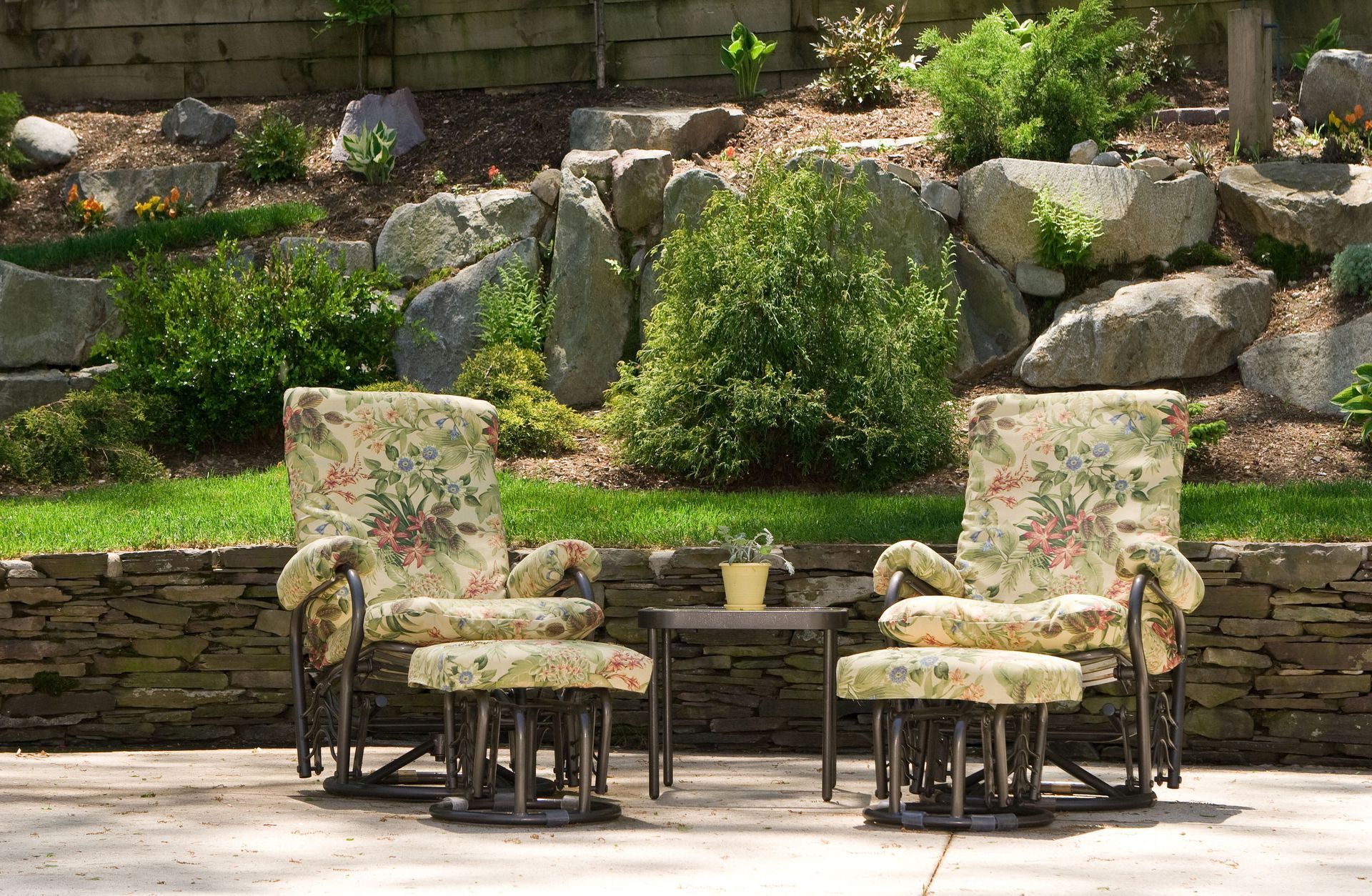
Retaining walls are structures designed to restrain soil on unnatural slopes and elevations. They are extensively used in landscaping to accommodate changes in elevation and manage sloped landscapes effectively. These walls are not only practical but also contribute aesthetically to outdoor spaces. Typically, retaining walls are built using materials like concrete, stone, or wood, each offering different benefits and limitations. Their construction requires careful planning to ensure they meet the structural demands of resisting large amounts of earth pressure.
Retaining walls can serve several purposes in a landscape, including defining garden beds and creating functional, level areas on sloped land. According to This Old House, a four-foot-high, 15-foot-long retaining wall can block as much as 20 tons of saturated soil. Such significant support is crucial as it prevents soil erosion and potential landslides in residential areas. Moreover, these walls allow homeowners to utilize areas on their property that might otherwise be unusable due to undulating terrain. Thus, by enabling efficient landscape management, retaining walls expand the functional space available in a garden.
Understanding the basics of retaining walls involves knowing the constraints and potential they offer to a property. Without these constructs, many outdoor spaces might remain underutilized due to the challenges posed by elevation changes. Retaining walls also offer a platform for incorporating additional landscape elements, such as seating or space dividers, to create versatile outdoor environments. Their integration isn't just about addressing practical needs but also enhancing aesthetic value by adding depth and interest to flat landscapes. Proper engineering and design play critical roles in ensuring that these walls are both safe and beautiful.
Types of Retaining Walls
There are several types of retaining walls, each constructed to meet specific needs in landscaping and structural design. Gravity walls rely on their immense weight to hold soil in place, using massive stones or concrete blocks. Reinforced retaining walls include additional structural supports, like steel bars, to accommodate greater forces, making them ideal for taller structures. Another type is the cantilevered wall, which features an added base slab and serves well for more substantial loads. Lastly, sheet pile walls use steel or vinyl sheets driven deep into the ground, typically employed where space is limited.
The choice of a particular type of retaining wall depends significantly on the site's specific conditions and the wall's intended purpose. Gravity walls are often used in residential projects due to their ability to blend into natural surroundings using stones and boulders. Reinforced walls are preferred in commercial settings where additional strength is essential to support extensive earth masses. Cantilevered walls, on the other hand, are versatile, offering practicality for both small garden projects and large grade separations. Sheet piles play a crucial role in urban designs where soil conditions are challenging, requiring deep penetration to ensure stability.
Each type of retaining wall carries inherent advantages that cater to different landscaping demands and aesthetic preferences. For example, the use of natural stone in gravity walls can create a rustic, enduring look that harmonizes with natural elements. In contrast, reinforced and sheet pile walls offer sleek, contemporary aesthetics suitable for modern urban garden designs. Moreover, the modular design of some retaining walls allows them to be altered or expanded over time. Thus, selecting the right type of retaining wall involves balancing functional needs with personal design aspirations.
Integrating Retaining Walls into Outdoor Living Spaces
Creating Multi-Level Spaces
Integrating retaining walls into outdoor living spaces allows for the creation of multi-level environments that maximize the use of space. This terracing approach facilitates the construction of different zones within a garden, such as patios, garden beds, and pathways. By utilizing elevation changes, retaining walls can create visually intriguing landscapes that offer distinct functional areas. This not only adds visual appeal but also allows for diverse uses, such as entertainment spaces on one level and quiet retreats on another. The strategic use of retaining walls in this manner turns challenging slopes into opportunity-rich outdoor spaces.
Multi-level spaces provide homeowners with the ability to design outdoor areas that reflect their personal style and lifestyle needs. For instance, families can enjoy multiple activity zones for children and adults, enhancing the usability and enjoyment of the property. These layered environments can also improve accessibility across the landscape, providing practical walking paths and preventing erosion on slopes. Retaining walls help delineate these spaces, creating boundaries that are both functional and decorative. Moreover, the levels created by retaining walls can offer striking vantage points for viewing different aspects of the garden.
When designing multi-level spaces, considerations such as sunlight, wind exposure, and views are crucial in determining the placement and orientation of each zone. By adjusting the height and alignment of retaining walls, designers can control these environmental factors to maximize comfort and utility. Another consideration is incorporating features like stairs or ramps to ensure easy movement between levels. Adding seating along retaining walls or creating built-in planters further enhances the functionality of these outdoor spaces. Therefore, successful integration of retaining walls requires thoughtful planning to optimize spatial flow and connectivity.
Tying Design Elements Together
Retaining walls serve as pivotal elements for linking various design aspects within outdoor living spaces. By defining boundaries, they create coherence between different areas such as patios, decks, and garden beds. Through the use of consistent materials and colors, retaining walls can harmonize the entire landscape, promoting a unified aesthetic theme. This unity ensures that even diverse design features appear as components of a broader, cohesive plan. By thoughtfully integrating retaining walls, disparate sections of a garden or lawn can be visually tied together, enhancing the overall cohesiveness of outdoor spaces.
In addition to aesthetics, retaining walls offer practical solutions for transitioning between different landscaping elements. They can create smooth connections between hardscape and softscape areas, blending various materials like pavers, stones, and greenery. Walls can also be designed to support additional features, such as seating, planters, or art installations, enriching the garden's overall design. The visual strength and structure of retaining walls can facilitate color coordination and stylistic continuity throughout the landscape. As a result, these walls become integral to the composition and narrative of an outdoor space.
An essential part of tying design elements together through retaining walls is ensuring visual balance and proportion. Designers can adjust the height, width, and positioning of walls to achieve the right scale in relation to other landscape features and the overall property layout. Providing a sense of continuity between indoor and outdoor spaces, walls can align with architectural details like facade materials or rooflines. The thoughtful placement of retaining walls results in a synergy that enhances both functionality and visual appeal, making them indispensable components in landscape design.
Retaining walls bridge the gap between necessary engineering and creative outdoor design. By stabilizing slopes, mitigating erosion, and unlocking unusable terrain, these hardscape structures serve a foundational purpose for any property facing elevation challenges. Beyond their structural necessity, retaining walls empower homeowners to carve out multi-level living areas, establish distinct outdoor zones, and unify disparate landscaping elements into a harmonious sanctuary. Whether you choose the timeless beauty of natural stone, the clean lines of modular concrete, or modern reinforced structures, investing in a properly designed retaining wall ultimately enhances both the usability and value of your home. Embracing thoughtful wall placement transforms environmental constraints into striking design opportunities, turning uneven yards into functional, picturesque extensions of everyday life. Contact the hardscaping professionals at Fick Landscape and Supplies today to start planning and building your ideal outdoor space.